
Blog
Frame Straightening After Collision Explained

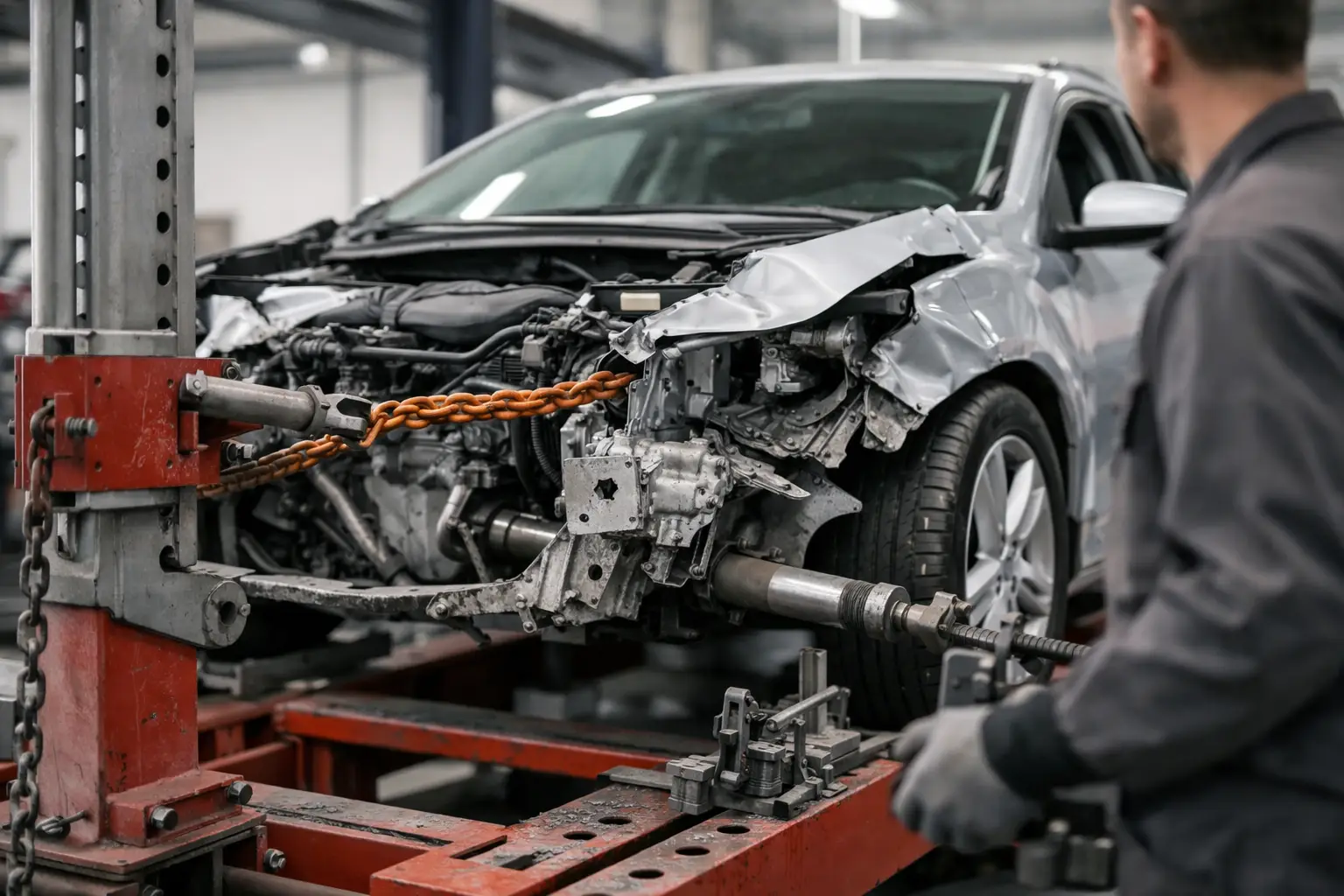
A vehicle can look drivable after an accident and still have structural damage underneath. That is why frame straightening after collision matters so much. If the frame or unibody is out of alignment, the problem is bigger than a crooked panel or a bad-looking gap. It can affect how your car tracks on the road, how the doors and hood close, how the tires wear, and how the vehicle protects you in another impact.
For many drivers in Fort Myers and across Southwest Florida, the biggest question is simple: is the damage cosmetic, or is the structure of the vehicle off? The answer takes a complete inspection, accurate measuring, and repair work done by technicians who know what they are looking for. Structural repairs are not guesswork, and they should never be treated like minor body damage.
What frame straightening after collision actually means
When people say a car has a bent frame, they are often using a general term. Some vehicles have a traditional full frame, especially many trucks and larger vehicles. Most passenger cars and SUVs use a unibody design, where the structure and body are built together. In both cases, a collision can shift critical points out of factory specification.
Frame straightening after collision is the process of measuring that damage and carefully pulling the structure back into proper alignment. The goal is not to make it “look close enough.” The goal is to restore the vehicle as closely as possible to manufacturer specifications so the rest of the repair can be done the right way.
That matters because everything else depends on the structure being correct first. If the frame or unibody is still out of position, suspension alignment, panel fit, steering feel, and even airbag system performance can all be affected. A vehicle might drive, but that does not mean it is safe or repaired correctly.
Signs your vehicle may need structural repair
Some signs show up right away after an accident. Others appear later, especially once you start driving the vehicle again. If the steering wheel is off-center, the car pulls to one side, or the tires start wearing unevenly, structural movement may be part of the problem.
You may also notice doors that do not shut properly, a trunk lid that sits unevenly, or body lines that no longer match from side to side. In some cases, the damage is visible from underneath, but often it takes professional measuring equipment to confirm it.
This is one reason a complete inspection matters so much after a collision. Surface damage can hide deeper issues. A bumper cover or fender may draw your attention first, while the real concern is what happened behind it.
How technicians determine whether the frame is out of spec
A reliable shop does not decide structural damage by eye alone. The vehicle is inspected closely and measured against factory reference points. That process shows where the structure has moved, how far it is out, and whether related areas were also affected.
This step is important for another reason: not every collision causes the same kind of structural damage. A front-end hit may affect one set of points, while a side impact can shift multiple sections at once. The repair plan has to match the actual damage, not assumptions based on what the outside looks like.
Once the measurements are clear, the shop can explain what needs to be corrected, how that connects to the rest of the repair, and what your insurer may need for documentation. Good repair planning at the start helps avoid delays and surprises later.
How frame straightening after collision is performed
The repair itself involves securing the vehicle and using specialized equipment to apply controlled force to the damaged area. This is a precise process, not a rough pull. The technician works from measured data and follows a repair plan designed to return the structure to proper position.
As adjustments are made, measurements are checked again. The structure may need correction in more than one direction, and one movement can affect another area. That is why experience matters. Structural repair is not just about force. It is about knowing where to pull, how much to pull, and when the vehicle is back where it needs to be.
Depending on the extent of damage, the repair may also involve related procedures such as welding or replacement of damaged structural components. It depends on the vehicle, the collision, and what is necessary to restore safe fit and function. The right approach is the one that follows the actual condition of the vehicle, not the cheapest shortcut.
Why proper frame repair affects safety
Customers often ask whether frame damage is mostly a resale issue. Value matters, of course, but safety is the bigger concern. Modern vehicles are engineered to manage crash forces in very specific ways. If structural points are out of place, the vehicle may not respond the same way in a future collision.
That does not automatically mean every structurally damaged car is beyond repair. Many vehicles can be restored properly when the damage is evaluated correctly and repaired by qualified technicians. The key is accuracy. Poor structural repair can create long-term problems. Proper structural repair helps return the vehicle to the condition it needs to be in for everyday driving and future impact protection.
This is also why low-cost shortcuts can become expensive later. If the frame is not corrected first, other repairs may never fit right. Customers can end up dealing with alignment issues, wind noise, water leaks, or repeat tire wear that traces back to an unfinished structural problem.
Repair or total loss? It depends on the damage
Not every vehicle with frame damage should be repaired, and not every one should be written off. The answer depends on the severity of the damage, the age and value of the vehicle, parts availability, and what the insurer determines.
A trustworthy shop should be direct with you about that. In some cases, frame straightening after collision is a straightforward part of a larger repair. In others, the structural damage is so extensive that repair costs no longer make sense. Honest guidance matters, especially when you are already dealing with the stress of an accident claim.
That is where a detailed estimate and complete inspection make a real difference. You need clear information before deciding how to move forward, not vague promises or rushed opinions.
What to expect during the repair process
If your vehicle needs structural repair, the process usually starts with a full damage assessment and estimate. Once repairs are approved, the structure is measured, corrected, and rechecked before related body repairs move ahead. That sequence matters because the vehicle has to be structurally right before final fitment can be trusted.
Insurance coordination is often part of the process as well. A shop experienced with collision work can help document the damage, communicate repair needs, and keep the process moving. That support can save customers time and frustration, especially when supplemental damage is found after teardown.
Turnaround time depends on the extent of damage and whether additional parts or procedures are needed. A good shop will be realistic with you. Fast service matters, but accuracy matters more.
Choosing the right shop for structural repairs
Frame work is not the place to shop on price alone. You want a repair facility that takes measurements seriously, explains the repair plan clearly, and stands behind the work. That means looking for experience, a strong local reputation, and a process built around complete inspections instead of rushed estimates.
For vehicle owners in Southwest Florida, local experience matters too. A shop that has served the community for decades has more at stake than simply closing the next repair order. At American Collision, that long-term trust has been built by doing the work carefully, pricing it fairly, and treating customers like neighbors instead of numbers.
If you think your vehicle may have structural damage, do not wait for handling problems to get worse. Get it inspected, ask questions, and make sure the repair starts with the structure. Peace of mind usually begins there.