
Blog
How to Fix Car Dents the Right Way

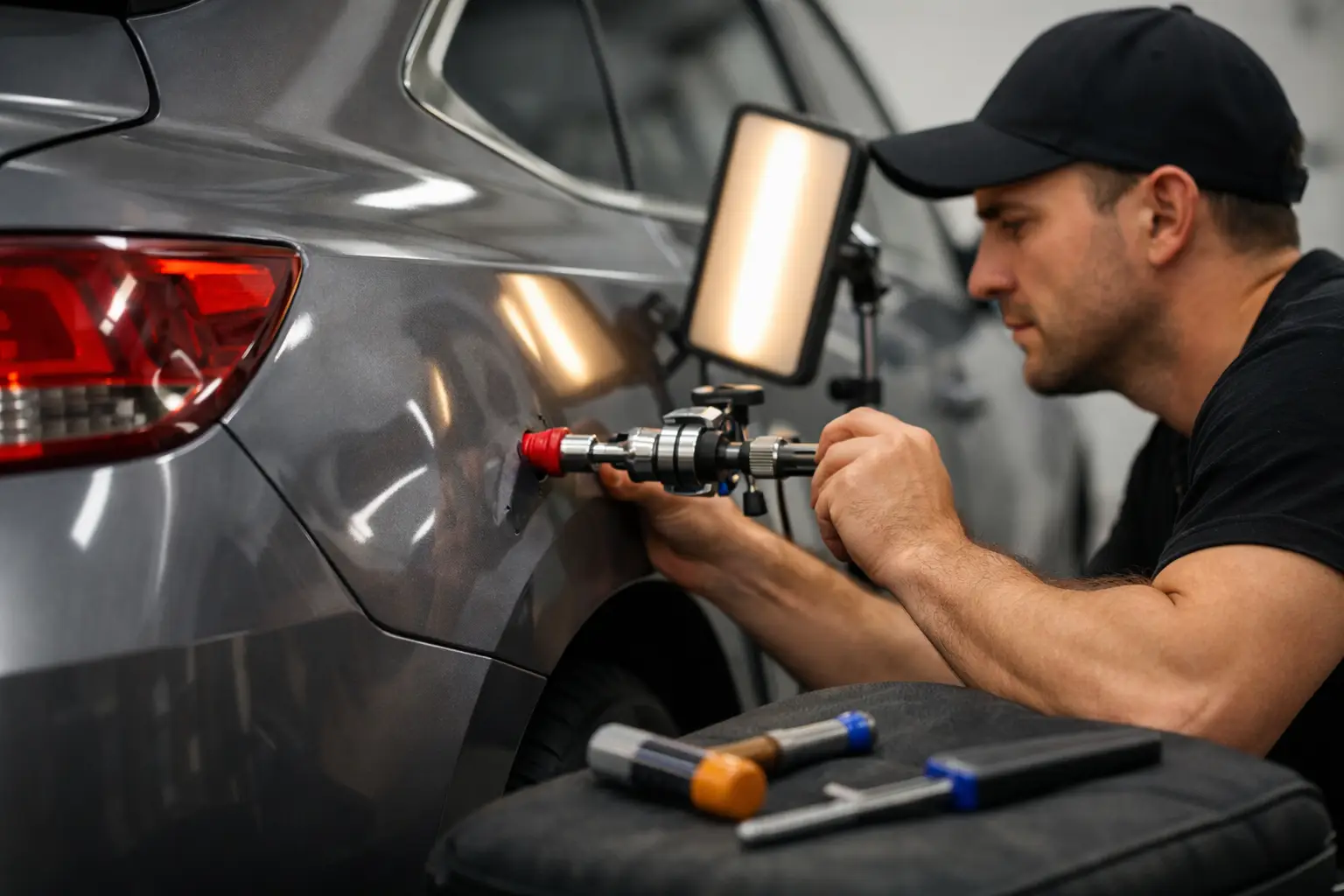
A dent can look minor until you catch it in the sunlight, notice a door no longer lines up quite right, or realize the damage goes deeper than the surface. If you are searching for how to fix car dents, the first thing to know is that not every dent should be handled the same way. The size, depth, location, and cause of the damage all matter, and the wrong repair approach can turn a simple fix into a more expensive one.
For drivers in Fort Myers and across Southwest Florida, that matters even more. Heat, humidity, daily driving, parking lot traffic, and storm season all put vehicles through a lot. A proper dent repair is not just about appearance. It is also about protecting the panel, catching hidden damage early, and making sure the vehicle is restored the right way.
How to fix car dents starts with the damage type
Before anyone talks tools, cost, or repair time, the damage needs to be identified correctly. A shallow dent on a door panel is one thing. A dent along a body line, near a wheel opening, or around a bumper attachment point is another.
Some dents are mostly cosmetic. Others are tied to stretched metal, cracked finish, loosened trim, or impact damage behind the panel. A vehicle owner might see one low spot, while a repair technician sees signs that the force traveled into nearby components.
That is why a complete inspection matters. If the dent came from a backing accident, shopping cart hit, falling object, or side impact, there may be damage that is easy to miss at first glance. What looks small from the outside can still affect fit, panel strength, or adjacent parts.
When DIY dent repair makes sense – and when it does not
There is a reason many people look up how to fix car dents before calling a shop. They want to save money, avoid being without their vehicle, and see if the problem is simpler than it looks. That instinct is understandable.
A very minor dent in an easy-to-reach area may seem like a candidate for a home fix. But DIY methods can be hit or miss, especially when the panel has sharp creases, the surface has been stressed, or the damage is near edges and reinforced sections. Even when a dent appears small, forcing it from the wrong angle can distort the panel further.
Home remedies also leave a lot of room for guesswork. If too much pressure is used, the metal can be pushed too far. If the wrong tool is used, the panel may end up with high spots, ripples, or additional marks. Once that happens, the repair often becomes more labor-intensive than if it had been assessed professionally from the start.
For many vehicle owners, the better question is not just can this be fixed at home, but should it be. If your vehicle is newer, leased, financed, or important to your business, protecting value and appearance usually makes professional repair the safer choice.
What professional dent repair really involves
A quality dent repair process is more than simply pushing a panel back into place. First, the damaged area is inspected closely for depth, shape, access points, and signs of related impact. Then the technician determines the safest repair method based on the panel material, panel location, and whether surrounding parts need to be removed or adjusted.
This is where experience matters. A trained body shop knows how to restore the shape of the panel while keeping body lines true and checking for secondary damage. The goal is not to make the dent look a little better. The goal is to repair it correctly so the vehicle looks right, fits right, and holds up over time.
At a trusted local shop, the estimate process should also be straightforward. You should know what damage was found, what repairs are recommended, and whether the repair is likely to involve insurance. Good shops do not rush that part. They inspect thoroughly, explain clearly, and keep the process practical for the customer.
How to fix car dents after a collision
If the dent happened during a collision, even a low-speed one, extra caution is needed. A dented fender, door, quarter panel, or bumper area can be tied to hidden structural issues, mounting damage, or misalignment. In those cases, treating it like a simple cosmetic dent is a mistake.
Collision-related dents often need a broader inspection that includes panel alignment, attachment areas, and surrounding components. If a door edge is dented, for example, the repair may involve more than the visible metal. If the dent is around a bumper corner, nearby brackets and supports may need attention too.
This is also where insurance support becomes valuable. A reputable collision repair shop can help document the damage accurately, provide a fair estimate, and communicate with the carrier when needed. That saves customers time and reduces the chance of missed damage showing up later.
What affects dent repair cost
Customers usually want a straight answer on price, and that is fair. The honest answer is that dent repair cost depends on several factors, not just the size of the dent.
Location matters because some panels are easier to access than others. Severity matters because a soft dent is different from a sharp crease or impact point. Related damage matters because trim, moldings, brackets, or adjacent panels may also need repair. And if the vehicle was hit hard enough to affect alignment or fit, the scope increases.
That is why accurate estimates matter more than rough guesses. A low number given without inspection may sound good at first, but it often leads to surprises. A shop with a strong local reputation will usually take the more reliable approach – inspect first, explain the findings, and price the repair fairly based on what the vehicle actually needs.
Why local experience matters in Southwest Florida
Vehicle owners here are not just looking for a shop. They are looking for a place they can trust with a family car, work truck, fleet unit, or dealership vehicle. That trust comes from consistency, not promises.
A long-established local repair shop understands how important fast turnaround, clear communication, and dependable workmanship are when your vehicle is part of your daily routine. It also understands that many customers are already stressed when they walk in. They do not want a sales pitch. They want honest guidance, fair pricing, and repairs done right.
That is one reason many drivers in the area turn to experienced shops like American Collision when dents are more than a quick cosmetic annoyance. A proper inspection and accurate estimate can prevent delays, avoid repeat repairs, and give customers confidence that the job is being handled by professionals who have seen every kind of everyday damage and collision repair issue.
Signs you should bring your vehicle in now
Some dents can wait a short time. Others should be inspected sooner rather than later. If the panel looks creased, the door or trunk fit seems off, trim is loose, the impact happened during a collision, or the damage is near the edge of a panel, it is smart to have it checked.
The same goes for work vehicles and leased vehicles. Even a small dent can affect appearance, resale expectations, or return condition standards. A prompt estimate helps you make a better decision before the issue gets more complicated.
If you are comparing options, look for a repair shop that explains the process clearly, backs up its workmanship, and has a track record in the community. Those basics still matter more than flashy marketing.
Fixing a dent the right way starts with knowing what you are really dealing with. Sometimes the answer is simple. Sometimes it is more involved. Either way, a careful inspection gives you the facts, and that is the best place to start when you want your vehicle back on the road looking the way it should.