
Blog
Collision Repair Estimate After Accident

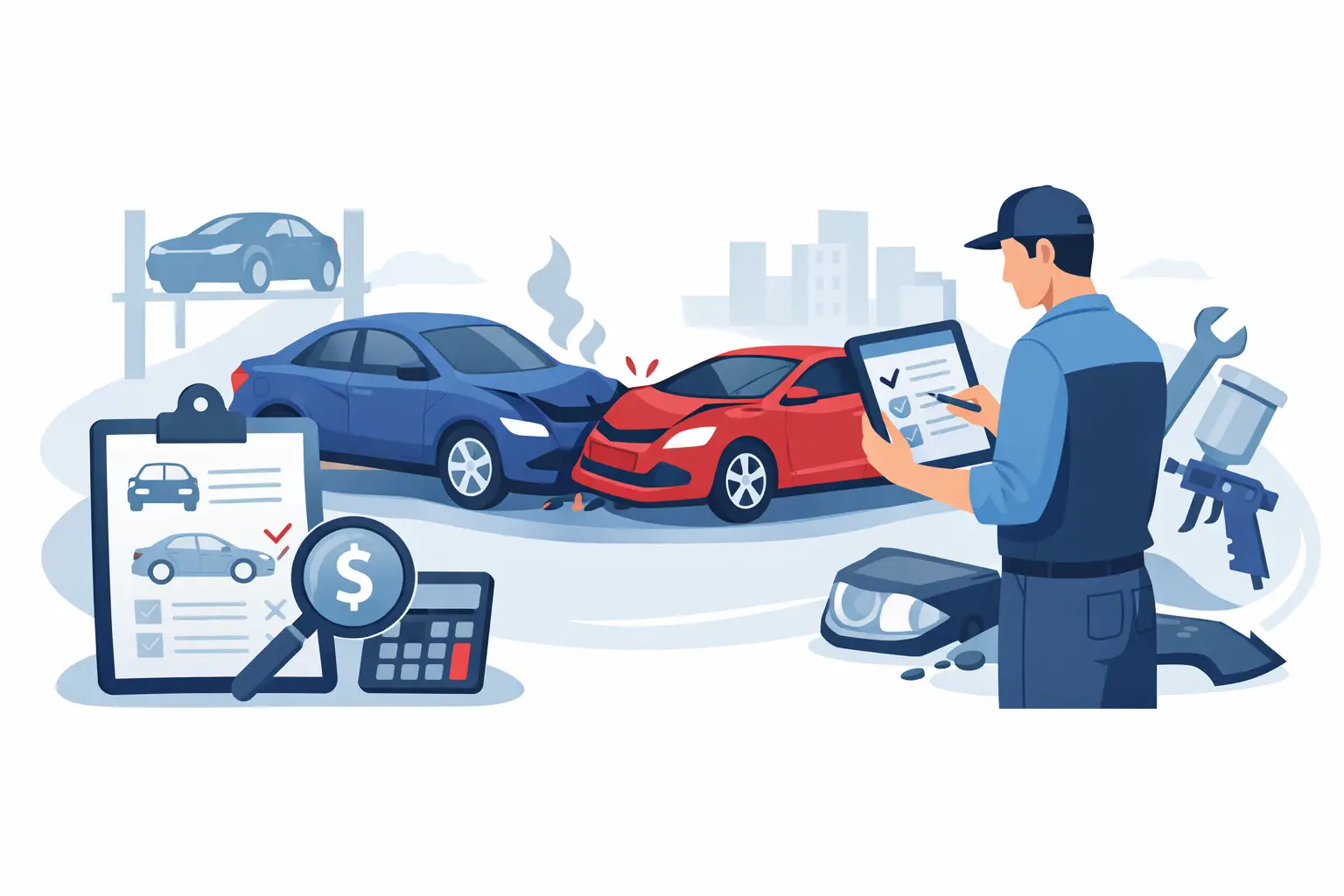
Right after a crash, most drivers want one thing: a clear answer about what it will take to fix the vehicle correctly. A collision repair estimate after accident damage is the starting point, but it is not just a price on a sheet of paper. It is a professional assessment of visible damage, likely hidden damage, repair methods, parts needs, labor, and the steps required to return your vehicle to safe pre-accident condition.
That matters more than many people realize. Two estimates can look very different even when they are written for the same vehicle. One may only account for what is easy to see from the outside. Another may reflect a more complete inspection, better repair planning, and a stronger understanding of how modern vehicles are built. If you are comparing shops in Fort Myers or anywhere in Southwest Florida, the goal is not to find the cheapest number. It is to find the estimate that is accurate, fair, and based on repairing the vehicle the right way.
What a collision repair estimate after accident damage should include
A proper estimate usually begins with a visual inspection of the damaged area. The estimator looks at body panels, bumpers, paint damage, lights, trim, wheel alignment concerns, and signs of structural impact. If the accident involved the front or rear of the vehicle, the shop should also be thinking about sensors, brackets, reinforcements, and underlying components that may not be obvious at first glance.
The written estimate should then break down repair operations and replacement items. That may include labor for body work, paint and refinishing, materials, parts, frame or unibody measurements, and sometimes mechanical or suspension-related items if the hit affected more than the body. Depending on the vehicle, it may also include calibration needs for safety systems such as blind spot monitoring, parking sensors, or collision warning features.
An estimate is not always the final bill. That does not mean the shop was careless. It means collision damage is often layered. Once a vehicle is disassembled, hidden damage can appear behind panels, under bumpers, or in support structures. A good shop explains that possibility up front so there are fewer surprises later.
Why estimates can vary so much
Price differences between estimates usually come down to scope, not just labor rate. One shop may write for repair where another writes for replacement. One may include the cost of proper refinishing steps while another keeps the number low by leaving out materials or procedures that will still be needed.
Parts choices also affect cost. OEM parts, aftermarket parts, recycled parts, and reconditioned parts all have different price points and different fit considerations. In some cases, an aftermarket part may be acceptable. In others, especially when fit, finish, or safety-related design matters, OEM parts may be the better choice. The right answer depends on the vehicle, the damaged area, your insurer’s policy, and your priorities as the owner.
Then there is hidden damage. A bumper cover can look like a simple cosmetic repair until the shop removes it and finds damaged reinforcement bars, crushed absorbers, broken mounting tabs, or sensor problems behind it. That is why a low estimate is not always a better estimate. Sometimes it is just incomplete.
What happens during the inspection
A thorough inspection is one of the biggest differences between a trustworthy shop and a high-volume operation trying to move cars through quickly. The vehicle should be examined for more than dents and scratches. Technicians and estimators should look at panel gaps, signs of frame or unibody movement, wheel position, door and trunk alignment, paint damage patterns, and any warning lights that appeared after the accident.
If the impact was strong enough, measuring equipment may be needed to confirm whether the structure is still within factory specifications. That is especially important if the vehicle took a hit near the rails, apron, core support, quarter panel, or suspension mounting areas. Structural issues are not always visible, but they can affect safety, tire wear, and how the vehicle drives.
This is also where local experience matters. In Southwest Florida, vehicles deal with heat, humidity, sun exposure, and daily driving conditions that make paint matching and refinishing quality especially important. A repair is not complete if the metal is straight but the finish fails early or the color does not match the surrounding panels.
Insurance estimates versus shop estimates
Many drivers assume the insurance estimate and the repair estimate should be the same. In practice, they are often different. An insurance estimate is frequently written from photos or from a limited inspection before teardown. It may be enough to begin the claim, but it is not always the full repair plan.
A repair shop estimate is usually more detailed because the shop is responsible for the actual work. Once disassembly begins, the shop may submit a supplement to the insurance company for hidden damage or additional operations required to complete the repair properly. That is a normal part of the process.
The key is communication. You want a shop that can explain where the insurance estimate stops, what the vehicle still needs, and how supplements are handled. That keeps the process moving and helps avoid delays caused by missing approvals or unclear paperwork.
How to read a collision repair estimate after accident damage
Most estimates look technical, but a few sections deserve close attention. Start with the parts line and see whether each item is marked for repair or replacement. Then look at labor categories. Body labor, paint labor, frame labor, mechanical labor, and sublet operations may all appear separately depending on the damage.
Next, check for refinishing details. Good paint work involves more than spraying color. It may include preparation, corrosion protection, primer, blending into adjacent panels, clear coat, and materials. If the estimate seems unusually low, it may be because these steps are missing or understated.
You should also ask about calibrations, scanning, and post-repair inspections. Modern vehicles have technology built into bumpers, mirrors, windshields, and body panels. If those systems were affected by the collision or by the repair process, they may need to be reset or recalibrated. Skipping that step may save money on paper, but it can create bigger problems later.
Choosing the right shop matters more than the first number
A low estimate can be tempting when you are already dealing with the stress of an accident. But collision repair is one of those situations where the cheapest path can cost more over time. Poor panel fit, weak paint matching, missed structural damage, and shortcuts on parts or procedures can leave you with a vehicle that looks repaired but is not truly restored.
A dependable shop should be willing to walk you through the estimate, explain what is included, and tell you where hidden damage may change the scope. You should not feel rushed or talked around. Straight answers are a good sign.
That is one reason many local drivers prefer a long-established repair shop over a large chain. Experience shows in the estimate itself. It shows in how thoroughly the vehicle is inspected, how accurately repairs are planned, and how confidently the shop works with insurers while still protecting the quality of the repair. For drivers in Fort Myers, American Collision has built that trust by focusing on accurate estimates, fair pricing, and workmanship that holds up.
Questions worth asking before approving repairs
Before you authorize work, ask whether the estimate is based only on visible damage or whether the shop expects a teardown and supplement. Ask what types of parts are being used and whether alternatives are available. Ask how long repairs are expected to take, knowing that parts availability and hidden damage can affect timing.
It is also reasonable to ask about workmanship guarantees and how the shop handles communication during the repair. A good repair experience is not just about the final result. It is also about knowing what is happening with your vehicle and not having to chase updates after every delay.
If you manage a fleet or dealership vehicles, consistency matters even more. You need estimates that are repeatable, repairs that meet standards, and turnaround times that support business operations. That is where a detail-oriented shop can save time and reduce headaches over the long run.
The best estimate is the one built for a complete repair
After an accident, you do not need guesswork. You need a repair plan that reflects the real condition of the vehicle, the right parts and procedures, and a shop that stands behind its work. A collision estimate should give you clarity, not just a low starting number.
If your vehicle has been damaged, take the extra few minutes to have it inspected carefully and explained clearly. The right estimate can make the rest of the repair process smoother, faster, and far less stressful.