
Blog
Car Paint Color Matching Done Right

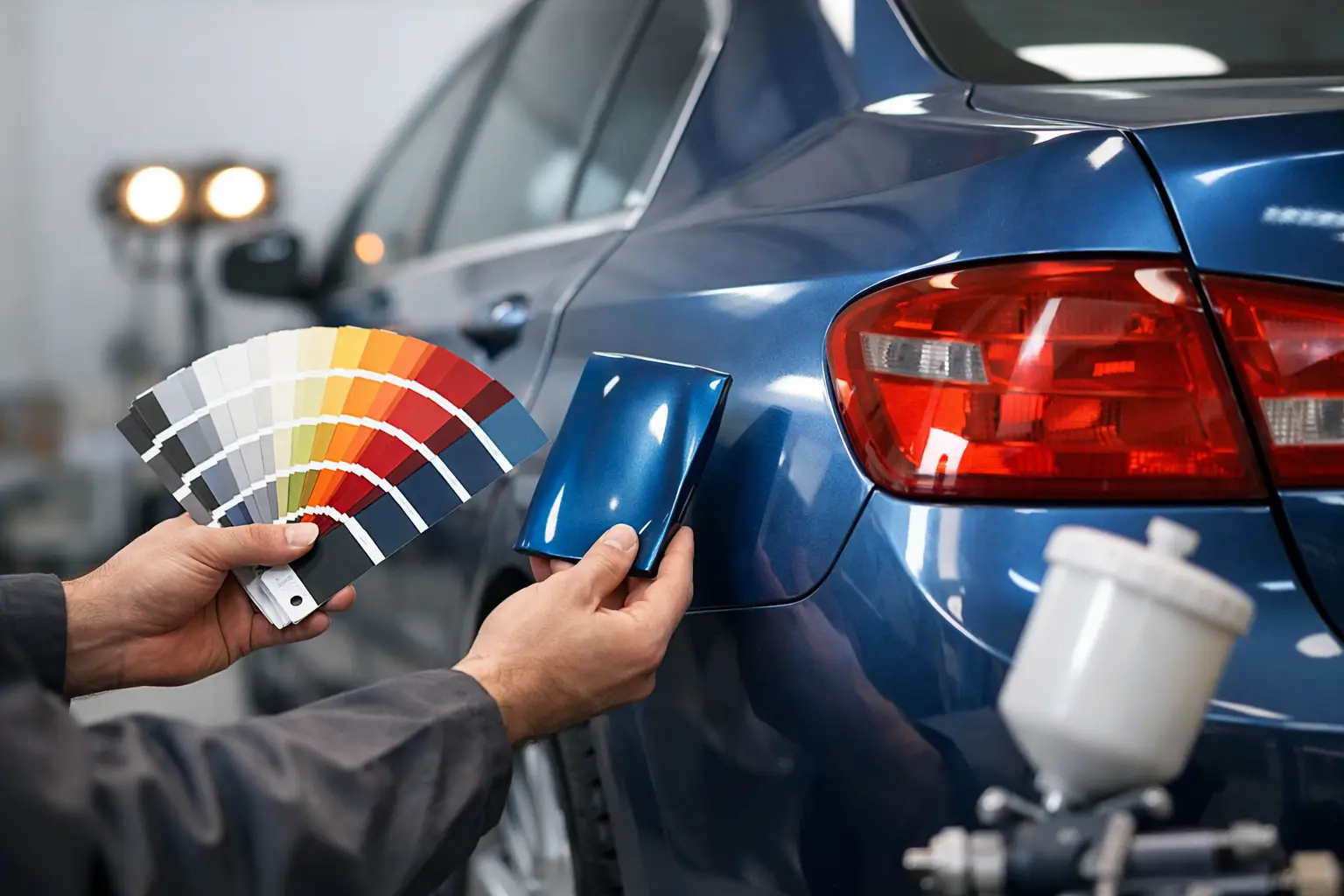
A fresh repair can stand out for all the wrong reasons if the color is even slightly off. That is why car paint color matching matters so much after a collision, bumper scrape, or panel damage. Most drivers are not looking for a technical explanation – they just want their vehicle to look right again, hold its value, and not advertise where the damage was.
The part many people do not realize is that matching automotive paint is not as simple as reading a sticker and mixing one formula. Modern vehicle finishes are affected by age, sun exposure, factory variations, and the way color reflects in different light. A repair can be structurally correct and still look unfinished if the color is off by a shade, too bright, too dark, or slightly different in metallic effect.
Why car paint color matching is harder than it looks
Every vehicle leaves the factory with a paint code, but that code is only the starting point. Manufacturers often produce the same color in multiple variants. Two vehicles with the same paint code may still look different because of production runs, supplier changes, and subtle differences in how the finish was originally applied.
Then there is real-world wear. In Southwest Florida, constant sun exposure can fade or shift paint over time. A blue truck that spent years outdoors may not match a freshly mixed version of that original factory color. White can yellow slightly. Black can lose depth. Silver and gray can be especially tricky because metallic particles reflect light differently depending on angle and spray technique.
That is why experienced technicians rely on more than a formula. Good matching involves visual checks, spray-out comparisons, and refinements based on the vehicle in front of them, not just the number on the door jamb.
What affects a paint match after an accident
The obvious factor is the color itself, but several details influence how closely a repair blends with the rest of the vehicle. Metallic and pearl finishes are usually the most demanding because they react to light and viewing angle. A panel may look close in the shop and then appear different outside in direct sunlight.
Panel location matters too. A newly repaired bumper can look slightly different from the fender beside it because plastic and metal panels reflect color differently. That does not always mean the paint was mixed wrong. It means the substrate, texture, and light reflection all play a role in the final appearance.
Previous repairs can also complicate the process. If a vehicle was repaired years ago and the color was not matched correctly then, the current shop has to work around that existing mismatch. In those cases, the best result may involve adjusting to what is currently on the vehicle rather than what the original factory formula says it should be.
Why the repair process matters as much as the paint
Car paint color matching is not just about mixing the right shade. Surface preparation, primer tone, application method, and curing all affect the final result. Even a correctly mixed color can appear wrong if it is applied over the wrong undercoat or sprayed with inconsistent technique.
This is one reason drivers should be careful about choosing a shop based on the lowest estimate alone. A lower price can sometimes mean less time spent on color verification or blending adjacent panels when needed. That may save money up front, but it can leave you with a repair that is obvious every time you walk up to the car.
A dependable repair shop looks at the whole vehicle, the damaged area, and the surrounding panels before making a recommendation. Sometimes a direct panel refinish is enough. Sometimes the color needs to be blended into the next panel to make the repair disappear naturally. The right approach depends on the color, the damage, and the condition of the existing finish.
How professionals approach car paint color matching
A quality match starts with a full inspection. The technician checks the vehicle paint code, examines the current condition of the finish, and compares the damaged area to surrounding panels. If the vehicle has fading, previous body work, or a hard-to-match metallic tone, that should be identified early.
From there, the paint is mixed and tested. Professional shops often create sample spray-outs to compare the formula against the actual vehicle before the repair is finalized. This step helps catch small differences in hue, brightness, and metallic orientation before paint is applied to the repaired area.
Lighting is another big part of the process. Paint can look different under shop lights, in the shade, and in direct Florida sun. An experienced shop knows that a match should be checked in more than one condition. If it only looks right in one environment, it is not really a match.
Once the color is verified, application technique matters. Consistent spray pattern, proper flash times, and careful control of the finish all contribute to a result that looks natural next to the original paint.
What customers should ask before approving a repair
If your vehicle needs paint work after an accident, it is reasonable to ask how the shop handles color matching. You do not need a chemistry lesson. You need confidence that the shop has a process and that they take appearance seriously, not just structural repair.
Ask whether the estimate includes steps needed to achieve a proper match. Ask whether the shop checks color against the actual vehicle and whether they account for fading or paint age. If insurance is involved, ask whether the repair plan reflects what is needed to restore the vehicle properly rather than just the cheapest version of the repair.
It is also worth asking about workmanship guarantees. A reputable local shop should stand behind its work and be willing to explain what can be expected based on your vehicle’s color, age, and condition.
Why local experience makes a difference
Drivers in Fort Myers and throughout Southwest Florida deal with conditions that can be tough on automotive finishes. Heat, humidity, salt air, and year-round sun all affect how paint ages. A shop with long experience in this market has seen how local conditions change vehicle finishes over time and can factor that into the repair plan.
That local experience also helps when dealing with customer priorities. Some repairs are about protecting value on a newer vehicle. Others are about making a family car look right again without unnecessary cost. Fleet and dealership work often comes with turnaround demands as well as appearance standards. A good shop understands those differences and recommends the right level of repair for the situation.
At American Collision, that practical approach has mattered to local drivers since 1979. People want fair pricing, accurate estimates, and repairs that do not leave them wondering why one panel looks different from the rest of the vehicle.
When a perfect match depends on more than paint
There are cases where the goal is not just mixing the correct color but restoring visual consistency across the repaired area. That is especially true with older vehicles, heavily weathered finishes, and colors known for showing even minor variation. The right repair may involve additional steps so the finished result looks uniform instead of patched.
That does not mean every repair needs the same process. It depends on the age of the vehicle, the type of damage, and how visible the repaired area will be. A trustworthy shop should explain those trade-offs clearly. If a simpler repair can produce a solid result, they should say so. If more precision is needed to avoid a visible mismatch, they should explain that too.
When your vehicle has been damaged, you should not have to choose between getting it repaired quickly and getting it repaired correctly. The right shop will take car paint color matching seriously, communicate clearly, and make sure the finished repair looks like it belongs on your vehicle – not like an obvious afterthought. If you need an estimate, start with a team that treats the details like they matter, because they do.