
Blog
How Frame Damage Is Repaired Correctly

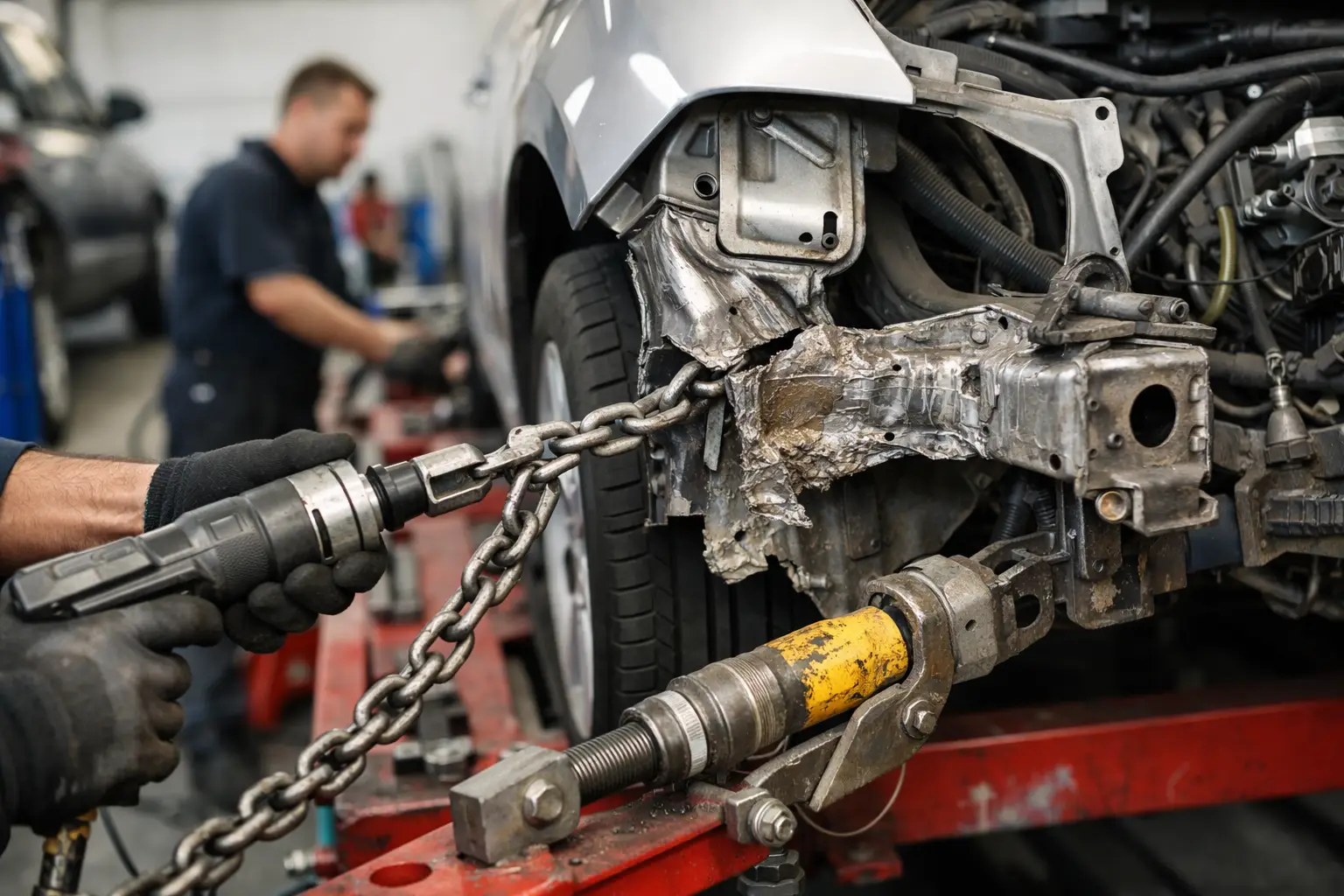
A vehicle can look drivable after a crash and still have structural damage underneath. That is why many drivers ask how frame damage is repaired after an accident, especially when the doors seem to close fine and the damage looks limited to one corner. The short answer is that proper repair starts well before any pulling or welding begins. A qualified collision shop has to inspect, measure, and confirm exactly where the structure moved before deciding what can be straightened and what needs to be replaced.
For drivers in Fort Myers and across Southwest Florida, that matters for more than appearance. Frame damage affects how a vehicle tracks down the road, how it absorbs impact in another collision, and whether suspension and alignment angles can be brought back into spec. If the structure is off, even by a small amount, you can end up with uneven tire wear, steering pull, poor panel fit, or safety concerns that do not show up in a quick visual check.
How frame damage is repaired step by step
The first step is a complete damage assessment. Shops do not rely on what is visible from the outside because structural damage often travels beyond the bent fender or damaged bumper area. Technicians inspect the underbody, suspension mounting points, rails, aprons, and other structural components to see how the impact moved through the vehicle.
Modern measuring equipment is a big part of this process. Before any repair plan is approved, the vehicle is measured against manufacturer specifications. That tells the technician whether the frame or unibody is twisted, pushed, sagged, or diamonded. It also helps separate cosmetic damage from structural damage, which is important for both safety and insurance documentation.
Once measurements confirm the extent of the damage, the vehicle is secured on frame equipment designed to hold it in place while controlled force is applied. This is not a matter of simply pulling metal until it looks straight. The repair has to reverse the direction of impact in a precise way so the structure returns as closely as possible to factory dimensions.
In some cases, sections can be straightened. In others, damaged structural components must be removed and replaced. That depends on the severity of the hit, the location of the damage, the type of metal involved, and what the manufacturer allows. A good shop will not force a repair where replacement is the safer option.
Not all frame damage is the same
Drivers often use the word frame for any structural damage, but repair methods vary depending on the vehicle design. Many cars and SUVs use unibody construction, which means the body and frame work together as one structure. Many trucks use a more traditional frame design with the body mounted separately. Both can suffer serious damage, but the repair strategy is different.
With a unibody vehicle, technicians may be correcting damage in rails, core supports, pillars, aprons, floor sections, or other integrated structural areas. Precision matters because these parts affect crumple zones, alignment points, and how panels fit after the repair. With a full-frame truck, the shop may be measuring and straightening the main frame rails while also checking bed position, cab mounts, and suspension geometry.
That is one reason estimates can vary so much. Two vehicles may both have front-end collision damage, but one may need straightforward structural correction while the other needs multiple replacement sections and more extensive setup time. The outside of the vehicle rarely tells the full story.
Measuring comes before straightening
One of the biggest mistakes after a collision is assuming that visible damage tells you everything you need to know. A bumper cover, grille, or fender may take the obvious hit, but the force can travel inward and shift structural points you cannot see without a detailed inspection.
Professional frame repair begins with measuring because that gives the shop an objective starting point. Technicians compare the vehicle to factory reference points and determine where the structure is out of position. During the repair, they remeasure repeatedly to confirm progress. After the structural work is complete, they measure again to verify that the vehicle is back within specification.
This step protects the customer in a few ways. It supports a more accurate estimate, helps justify repairs with the insurance company when needed, and reduces the risk of incomplete repairs. It also helps explain why a trustworthy shop does not rush to promise a turnaround before inspection is complete.
When straightening works and when parts need replacement
People often want a simple answer to whether a bent frame can be fixed. Sometimes it can. Sometimes it should not be. The right answer depends on the severity and location of the damage.
If the metal can be returned to specification without compromising structural integrity, controlled straightening may be the right path. If the damaged section is too distorted, cracked, kinked, or weakened, replacement may be necessary. This is especially true in areas designed to manage crash energy. Repair decisions should follow manufacturer guidelines and proven repair procedures, not guesswork.
Welding may also be part of the process when structural sections are replaced. That work must be done carefully and correctly, with attention to fit, material type, and strength. Poor structural welding can create safety issues, which is why experience matters. This is not the kind of repair you want handled by a shop that cuts corners to save time.
Why frame damage can affect alignment, tires, and drivability
Even mild structural movement can create problems that show up after the vehicle leaves the shop if the repair was not done correctly. You may notice the steering wheel is off-center, the vehicle pulls to one side, or the tires wear unevenly. Doors, hood, or trunk panels may not line up properly. Wind noise or water leaks can also trace back to structural misalignment.
That is why frame repair and suspension checks go hand in hand. Once the structure is corrected, the shop also needs to inspect related systems that may have shifted in the collision. A proper repair plan considers how the accident affected the whole vehicle, not just the obvious impact area.
For commercial vehicles and fleet accounts, this is especially important. A truck that does not track correctly or wears through tires early costs money over time. For a family vehicle, it comes down to safety, value, and peace of mind.
Insurance questions are part of the process
Frame damage often raises immediate insurance concerns because structural repairs can be more involved than basic body work. A reliable collision shop should be able to document the damage clearly, explain what the measurements show, and provide an accurate estimate based on the actual repair needs.
Sometimes the initial estimate changes after teardown and full measuring. That is normal. Hidden structural damage is common after collisions, and a shop that performs a complete inspection is protecting you from incomplete repairs later. The goal is not to inflate the job. The goal is to repair the vehicle correctly.
This is one area where an experienced local shop can make the process easier. Shops that work with insurance-related repairs every day understand how to communicate the repair scope, document structural damage properly, and keep the customer informed without adding more stress to an already difficult situation.
How to choose a shop for frame repair
If your vehicle may have structural damage, ask whether the shop performs detailed measuring, uses proper frame equipment, and follows manufacturer repair procedures. Ask how they determine whether a component is repaired or replaced. Ask whether the estimate includes a full structural inspection and whether they help coordinate with insurance when needed.
You also want a shop that explains things clearly. Frame repair should not be presented as mysterious or overly technical. A dependable repair team should be able to show you what was damaged, what needs to happen next, and what affects the timeline. That kind of communication matters just as much as the equipment in the building.
At a long-established shop like American Collision, customers are looking for more than a quick fix. They want experienced technicians, fair pricing, and repair decisions based on what is safest and most accurate for the vehicle.
How frame damage is repaired the right way
The real answer to how frame damage is repaired is that it is measured, corrected, verified, and inspected with care. There is no shortcut that replaces proper equipment, trained technicians, and a complete repair plan. Some vehicles need straightening. Some need structural replacement. Many need more inspection than the damage first suggests.
If you suspect frame damage after an accident, the best next step is a professional estimate from a trusted local collision shop. A careful inspection now can save you from safety issues, drivability problems, and added repair costs later. When the structure is right, everything else has a better chance of being right too.